
"Mocha Brazil blend"
200 article(s) found

Coffee bean blending ratio caffeine smell
Coffee bean mix ratio Brazil 3.5 Mantenin 1 Java 2 Colombia 2 mocha 1.5 sweet bitter alcohol comprehensive hot coffee Brazil 2 mocha 1.5 Java 3.5 Colombia 2 sweet bitter acid comprehensive iced coffee Mantenin 2 Colombia 2 Java 2.5 Netherlands 1 mocha 1.5 mellow bitter carbon roasted coffee Colombia 2 Mantenin 1.5

On the basis of coffee bean blending
Acid beans are mainly in Brazil 40%, Colombia 30%, Mocha 30%, Brazil 30%, Mocha 30%, Brazil 30%, Colombia 30% Brazil 50%, Colombia 50%, Colombia 30%, Java 20% bitter beans mainly Brazil 40%, Java 20%, Colombia 20% Mocha 30%, Brazil 30%, Colombia 20%, Colombia 20%, Java

Boutique coffee beans knowledge coffee bean blending basis
Acid beans are mainly in Brazil 40%, Colombia 30%, Mocha 30%, Brazil 30%, Mocha 30%, Brazil 30%, Colombia 30% Brazil 50%, Colombia 50%, Colombia 30%, Java 20% bitter beans mainly Brazil 40%, Java 20%, Colombia 20% Mocha 30%, Brazil 30%, Colombia 20%, Colombia 20%, Java
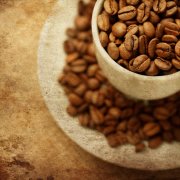
Generally follow the principle when matching, the most commonly used original beans, Brazil, Colombia, mocha, Italian coffee.
Generally speaking, the following principles should be followed when matching: 1. Blending of raw beans requires the use of coffee beans with their own characteristics, and avoid using coffee beans with similar flavor. The selection of raw beans can be considered from three aspects: the treatment method of raw beans, that is, whether raw beans are treated by washing or drying, which has a lot to do with the flavor of coffee beans. Raw bean producing area: coffee producing area is generally divided into three major

The proportion of coffee blending formula introduction Italian coffee machine
Colombia (Metenin), Venezuela (aged coffee), Blue Mountains, Gillimanjaro, Mocha, Guatemala, Mexico, Kenya, Brazil Santos, Haiti Alcohol Colombia (Metenin), Mocha, Blue Mountains, Guatemala, Costa Rica Neutral Brazil, Galvado, low property Costa Rica Venezuela, Honduras, Cuba

Delicious types, characteristics, brands and production methods of blended coffee
For the exchange of professional baristas, please follow the coffee workshop (Wechat official account cafe_style) spelling coffee spelling: zong he ka fei synonym entry: mixed coffee catalog 1 delicious category 1.1 taste balanced coffee 1.2 bitter coffee 1.3 sour coffee 1.4 flavor coffee 1.5American coffee 1.6full-bodied

The types and characteristics of blended coffee and the example reference of famous brands blending coffee beans.
For professional baristas, please follow the coffee workshop (Wechat official account cafe_style) blending coffee classification: coffee mixed drink life western beverage blending coffee, also known as integrated coffee, mixed coffee, generally by three or more different varieties of coffee, according to its sour, bitter, sweet, fragrant, alcohol mixed coffee into another kind of coffee with unique flavor, good mixed coffee

What is the purpose of blending coffee? what is the purpose of blending coffee?
Colombia (Metenin), Venezuela (aged coffee), Blue Mountains, Gillimanjaro, Mocha, Guatemala, Mexico, Kenya, Brazil Santos, Haiti Alcohol Colombia (Metenin), Mocha, Blue Mountains, Guatemala, Costa Rica Neutral Brazil, Galvado, low property Costa Rica Venezuela, Honduras, Cuba

Coffee blending skills how to mix out the guests' favorite taste!
Mixed coffee is also called blended coffee. Nowadays, almost all the popular Italian coffee belongs to the category of mixed coffee. We generally refer to two or more different varieties of coffee or the same variety of coffee but roast different degrees of coffee mixed together as mixed coffee. Mixed coffee is by no means a simple addition, but in the hope that the coffee can be treated by the blender.

Coffee mixing ratio Introduction to Italian coffee mixing and practice
Java, Mantinen, Bogotá, Congo, Uganda Gan Colombia (Metinen), Venezuela (aged coffee), Blue Mountain, Gili Mazaro, Mocha, Guatemala, Mexico, Kenya, Brazil Santos, Haiti Alcohol Colombia (Metinen), Mocha, Blue Mountain, Guatemala, Costa Rica Neutral Brazil, Honduras, Low Real Estate Costa Rica

Introduction to the proportion of mixed coffee and various coffee methods
So now let's talk about the classic coffee bean mix: medium roasting (City). 30% of Mocha, 30% of Colombia, 40% of Brazil. Suitable for matching that likes sour taste: ordinary baking degree (Midium). 30% of Mocha, 40% of Colombia, 30% of Brazil. Suitable for matching with strong flavor: medium baking degree (City). Mocha 40%, Colombia 20%

Introduction to the types of Coffee blends introduction to the flavor of different coffee varieties
The type of mixed coffee due to the different types of coffee beans, the mixed coffee is also different in taste, so there are different kinds of mixed coffee. 1. Mixed coffee formula with balanced taste: Guatemala SHB (30%), Mexico AL (30%), Brazil NO.219 (20%), Kilimanjaro AA (10%). The top mixed coffee is the most sour, bitter and fragrant.

What is the classification of coffee beans? the recommended proportion of coffee beans
Professional coffee knowledge exchange more coffee beans information please follow the coffee workshop (Wechat official account cafe_style) beginners to mix which beans should you choose? The following is a description of the three most representative matching ratios. Of course, slowly you can choose the kind of match you like according to your own taste. Sour espresso blending 30% in Colombia and 60% in Brazil

Comprehensive Coffee types and blending characteristics fancy Coffee blending method
Comprehensive coffee, also known as mixed coffee, is generally composed of three or more different varieties of coffee, which is blended into another coffee with unique flavor according to its sour, bitter, sweet, fragrant and alcohol. the good comprehensive coffee is fragrant, smooth and refreshing, and the color is golden, which is the top grade of the coffee. Mixed coffee drinks are very random, so they seek individual colors. 1 、

Several methods of how to make Coffee
Comprehensive hot coffee: Brazil 3.5, Mantenin 1, Java 2, Columbia 2, Mocha 1.5 (blended) fragrant, sweet, bitter, sour. Comprehensive hot coffee: Brazil 2, Mantenin 1, Java 3.5, Columbia 2, Mocha 1.5 (mixed) fragrant, sweet, bitter, sour. Integrated iced coffee: Manning 2, Columbia 2, Java 2.5, Holland No.1 2, Mocha 1.5 (blended) fragrant, mellow, bitter charcoal
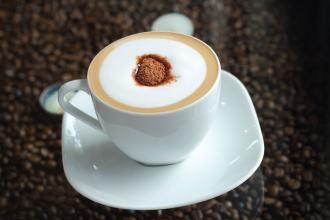
Can coffee be brewed with different varieties mixed together
Blended Coffee Blended Coffee, also known as blended coffee, is one of the generic names for coffee classification. Blended coffee does not refer to a specific coffee, but generally by three or more different varieties of coffee beans, according to its taste of acid, bitter, sweet, fragrant, alcohol and a unique flavor of coffee. A premium blend of coffee is fragrant, smooth and refreshing after blending.

Various methods of coffee blending introduce the blending of fine coffee
Taste = Coffee Variety Sour Mocha, Kona, Mexico, Guatemala, Costa Rica SHB, Gilly Mazaro, Colombia, Delvado, Western Hemisphere washing quality New Bean bitter Java, Mantenin, Bogota, Congo, Uganda Colombia (Metning), Venezuela (aged coffee), Blue Mountains, Gillimanjaro, Mocha, dangerous Land

Common coffee bean blending schemes coffee bean flavor characteristics how to match coffee beans
Sour Mocha, Hawaii Kona, Mexico, Guatemala, Costa Rica SHB, Gillimanjaro, Colombia, Delvado, Western Hemisphere Water washing quality New Bean bitter Java, Mantenin, Bogota, Congo, Uganda Gump Colombia (Metenin), Venezuela (aged coffee), Blue Mountains, Gillimanjaro, Mocha, Guatemala, Mexico, Kenny

What is the "golden ratio" of blended coffee
Long ago there were strange rules for making blended coffee, one of which was called the blended golden ratio. One of them mentioned that as long as the correct combination of Colombia Madeline (Medellin), mocha. Matari, Brazilian Santos, you can make a flavor blend. Another rule is to add Java Robusta, a supporting actor capable of emitting a good bitter taste, to the above at a ratio of 20 to 30 percent.

Coffee can be blended into several different flavors.
(2) bitterness-based comprehensive coffee formula: Sumatra Mantenin G1 (40%), Colombia SUP (30%), Brazil NO.2?19 (20%), Kilimanjaro AA (10%). To produce strong-flavored coffee beans, it is necessary to choose strong-flavored coffee beans, such as Sumatra manning in Indonesia, bitter and sour Colombian beans, bitter acid.